Seated Spine Stretch
A gentle seated stretch that lengthens your spine and may help address compression from prolonged sitting.
Simple, office-friendly movements that fit into your daily routine. Build better posture habits one mini-break at a time.
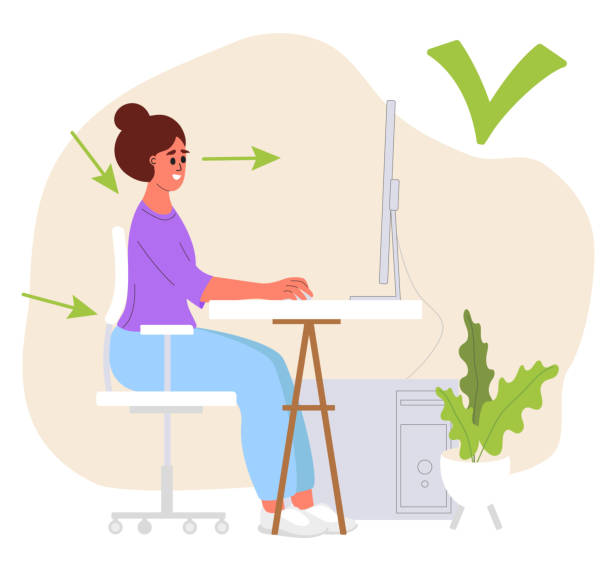
Short movement sequences you can do at your desk without any equipment. Each takes less than two minutes.
A gentle seated stretch that lengthens your spine and may help address compression from prolonged sitting.
Circular shoulder movements that may help release upper back tension accumulated during focused desk work.
Targeted micro-movements for your hands and wrists to counteract repetitive keyboard use.
A structured approach to weaving posture-friendly movements into your work schedule.
Begin your day by adjusting your chair height, screen position, and keyboard placement for optimal comfort.
Stand up, reach overhead, and gently twist your torso. A quick reset to re-energize your focus.
Take a short walk with mindful posture awareness. Focus on shoulder alignment and even stride.
A gentle seated stretch targeting hip flexors that tighten from prolonged sitting throughout the day.
Close your workday with a calming sequence that releases accumulated tension from head to toe.
Discreet exercises designed specifically for office environments. No special clothing or equipment required.
Gentle twists, tilts, and stretches you can perform without leaving your desk chair. Ideal for meetings-heavy days.
Brief walking intervals between tasks to activate your leg muscles and refresh your mental clarity.
Combine deep breathing with posture awareness, which may help reduce upper body tension and support focus.
Structured eye rest and neck repositioning exercises for those long screen-intensive work sessions.
Small posture adjustments throughout the day can contribute to your overall well-being and work performance.
Regular micro-movements may support sustained attention during demanding cognitive tasks.
Movement breaks can help maintain energy levels throughout the afternoon work hours.
Posture-aware habits may reduce the discomfort often associated with prolonged desk work.
Brief physical activity during work is often linked to improved mood and reduced stress levels.
Explore our modular exercise library organized by body area and activity type.
Targeted stretches for upper body tension areas commonly affected by screen work.
Movements designed to support spinal mobility and counteract prolonged sitting postures.
Exercises for finger dexterity and wrist flexibility, ideal for keyboard-intensive roles.
Lower body activations that address stiffness from extended seated positions.
Controlled breathing techniques that complement posture awareness and body awareness.
Combined movement sequences that address multiple areas in a single short routine.
Structure your movement breaks around your work schedule for consistent posture practice.
Set regular movement reminders every 45-60 minutes to maintain an active work rhythm.
Link micro-exercises to task transitions — stretch when switching between projects or calls.
Vary your exercise focus each day of the week to address different body areas systematically.
Building posture awareness is about consistency. Use simple cues to stay on track.
Use phone alarms, calendar events, or sticky notes as gentle reminders to check your posture and perform a quick reset throughout the day.
Get in TouchAll materials and practices on this site are for general educational and informational purposes only. They are not medical advice, diagnosis, or treatment. Individual results vary. Before starting any exercise or ergonomic practice, especially if you are pregnant, injured, or have a chronic or acute health condition, consult your doctor, physiotherapist, or other qualified health provider.